The OS Architect
Clay invented the GTM Engineer. It wasn't just clever marketing, it was a real job at real companies doing real work that couldn't be done before, and I think Lovable can do something similar.
Axel Hägg
GTM
July 7, 2025

Clay invented the GTM Engineer. It wasn't just clever marketing, it was a real job at real companies doing real work that couldn't be done before. Lovable can do something similar.
The OS Architect builds the operating system for a company. Not the technical OS, the human one. The layer that connects all the tools, data, and processes that people actually use to get work done.
This role couldn't exist until now. Building custom software was too expensive for most problems. IT departments have different priorities. Low-code tools weren't powerful enough. But with AI that can actually code, any employee could build solutions in hours that matter immediately.
The OS Architect's first job isn't sexy. They map the chaos.
Every company is running on 47 different SaaS tools that different departments bought. Data lives in Salesforce, Slack, Monday, some custom database, three Google Sheets that somehow became mission-critical, and a BigQuery mirror the devs set up and forgot about. Nobody has the full picture. Everyone's working in silos.
The OS Architect discovers all of it. They're like a detective finding where data actually lives, which systems talk to each other, which don't, and which spreadsheet on someone's desktop is somehow running a critical process. They build the bridges - creating an internal API layer that makes these silos accessible. Now someone in accounting can actually pull customer data. Someone in ops can access sales metrics. The walls between systems start coming down.
Only then does the magic happen.
With the infrastructure in place, the OS Architect becomes an enabler. They spend half their time conducting internal user interviews, shadowing teams, understanding pain points. When they find someone struggling with manual workflows, they don't just build a solution. They teach that person to build it themselves. They create documentation, starter templates, and hold office hours.
But here's what nobody talks about: The OS Architect isn't just enabling builders - they're discovering them.
Every organization has people who've already jerry-rigged solutions nobody knows about. The spreadsheet wizard who discovered that forgotten BigQuery mirror and built their own analytics when everyone else was complaining. The ops person whose "temporary fix" now runs critical processes. The account manager who automated half their job and never mentioned it.
These aren't people asking for permission. They're people who found a way. When leadership makes impromptu OKR estimates, they're within 10% while others are 10x off. Not because they're smarter - because they built tools to see what others couldn't.
The OS Architect finds these people. And more importantly, they find the people who WILL build when given the chance. The ones asking "is there a way to..." questions. The ones frustrated by "that's just how we do things." The ones with skin in the game who understand the actual problems, not the abstracted version.
Their success isn't measured in apps built, but in builders discovered and enabled. Suddenly leadership has visibility: Sarah in accounting saved 20 hours/week. Mike in support built something three teams now use. These high-agency operators who turn obstacles into build opportunities - they're everywhere, invisible, undervalued.
Here's what it looks like in practice: Someone at Spotify needs data from three systems every morning - Salesforce, their analytics platform, and some internal database. Used to require hours of manual labor, copying and pasting between systems. The OS Architect has already built the bridges between these systems. Now that person opens Lovable and builds their own solution in an afternoon.
When patterns emerge (five teams building similar dashboards), the OS Architect creates reusable components. Soon hundreds of people are building their own tools, pulling from systems they never had access to before.
But more importantly, the OS Architect now knows who these builders are. The organization gets a heat map of its actual change agents. Not the people with "innovation" in their title, but the ones actually shipping solutions. The quiet operators who see broken processes as puzzles to solve.
For leadership, this raises uncomfortable questions: You just discovered five people in your organization who can ship working software. People with the agency to identify problems and build solutions without asking permission. What now? Do they stay in their current roles? How does this change how you think about talent?
These builders now have concrete achievements: "Built internal tool that saved company $50k/year." "Connected three siloed systems to automate reporting." They're not getting poached - they're getting options. That's healthy pressure on the company to recognize talent where it actually exists.
This is how software deployment actually changes inside companies. Not through procurement and rollouts, but through viral adoption by builders solving their own problems. One OS Architect maps the chaos, builds the bridges, enables a hundred builders. A hundred builders transform how a company operates.
For Lovable, this isn't just about selling seats. Every company that hires an OS Architect becomes proof that every company needs one. The role creates its own demand.
We've seen this movie before. New technology enables new kinds of work. That work needs new kinds of people. Those people need titles. The OS Architect is that title. It's not a buzzword, it's what happens when building software becomes fast enough to solve problems that were never worth solving before.
The companies that figure this out first will have a meaningful advantage. The rest will be hiring OS Architects in two years, wondering how they fell behind.
More Dispatches




HAEGGHAEGGGROUP
Haegg Haegg Group
HHG Site
More HHG
Haegg Haegg Group
System design meets cultural direction. The work is never finished.
De Neutralibus et Mediis Libellus
The OS Architect
Clay invented the GTM Engineer. It wasn't just clever marketing, it was a real job at real companies doing real work that couldn't be done before, and I think Lovable can do something similar.
Axel Hägg
GTM
July 7, 2025
Clay invented the GTM Engineer. It wasn't just clever marketing, it was a real job at real companies doing real work that couldn't be done before. Lovable can do something similar.
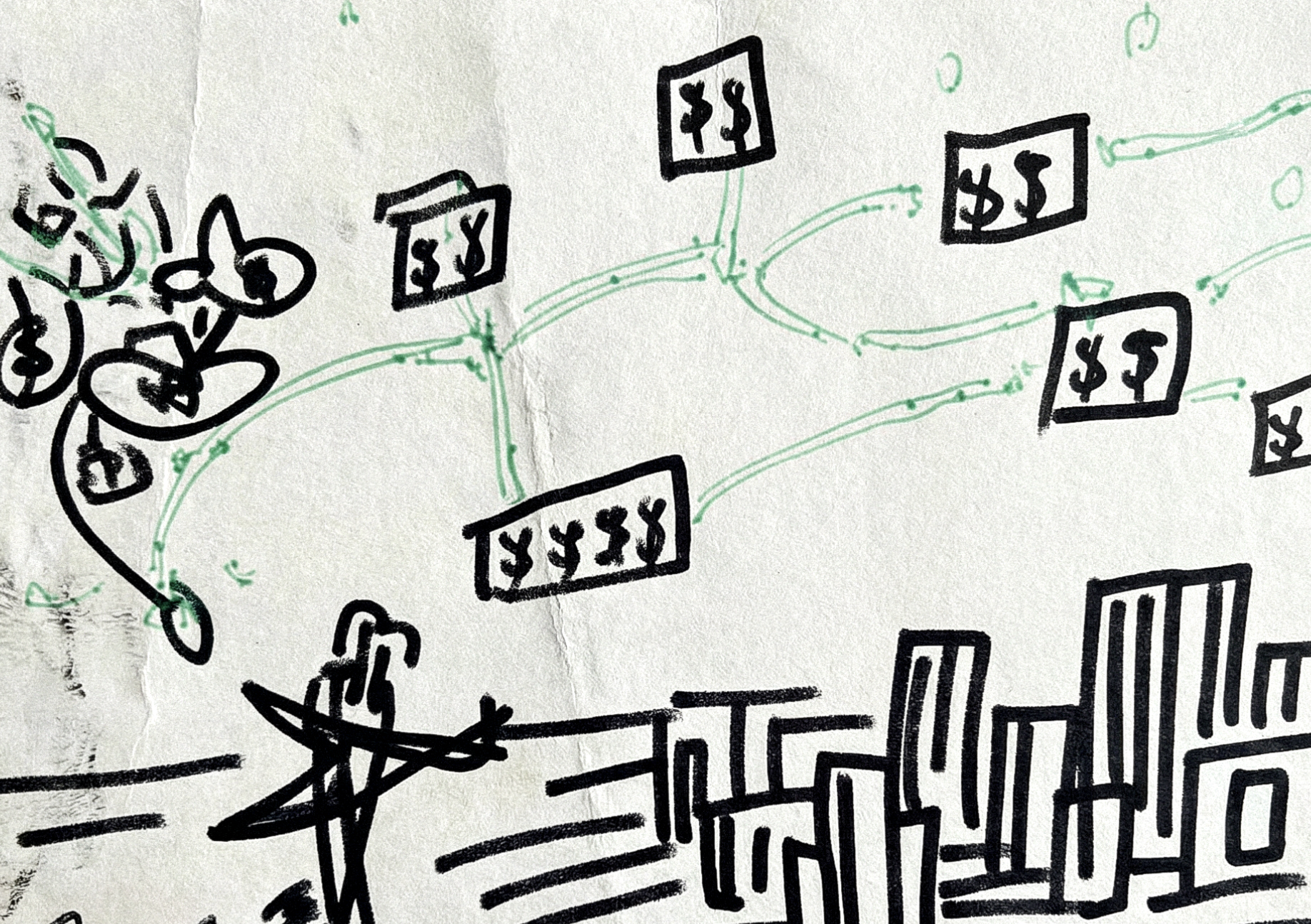
The OS Architect builds the operating system for a company. Not the technical OS, the human one. The layer that connects all the tools, data, and processes that people actually use to get work done.
This role couldn't exist until now. Building custom software was too expensive for most problems. IT departments have different priorities. Low-code tools weren't powerful enough. But with AI that can actually code, any employee could build solutions in hours that matter immediately.
The OS Architect's first job isn't sexy. They map the chaos.
Every company is running on 47 different SaaS tools that different departments bought. Data lives in Salesforce, Slack, Monday, some custom database, three Google Sheets that somehow became mission-critical, and a BigQuery mirror the devs set up and forgot about. Nobody has the full picture. Everyone's working in silos.
The OS Architect discovers all of it. They're like a detective finding where data actually lives, which systems talk to each other, which don't, and which spreadsheet on someone's desktop is somehow running a critical process. They build the bridges - creating an internal API layer that makes these silos accessible. Now someone in accounting can actually pull customer data. Someone in ops can access sales metrics. The walls between systems start coming down.
Only then does the magic happen.
With the infrastructure in place, the OS Architect becomes an enabler. They spend half their time conducting internal user interviews, shadowing teams, understanding pain points. When they find someone struggling with manual workflows, they don't just build a solution. They teach that person to build it themselves. They create documentation, starter templates, and hold office hours.
But here's what nobody talks about: The OS Architect isn't just enabling builders - they're discovering them.
Every organization has people who've already jerry-rigged solutions nobody knows about. The spreadsheet wizard who discovered that forgotten BigQuery mirror and built their own analytics when everyone else was complaining. The ops person whose "temporary fix" now runs critical processes. The account manager who automated half their job and never mentioned it.
These aren't people asking for permission. They're people who found a way. When leadership makes impromptu OKR estimates, they're within 10% while others are 10x off. Not because they're smarter - because they built tools to see what others couldn't.
The OS Architect finds these people. And more importantly, they find the people who WILL build when given the chance. The ones asking "is there a way to..." questions. The ones frustrated by "that's just how we do things." The ones with skin in the game who understand the actual problems, not the abstracted version.
Their success isn't measured in apps built, but in builders discovered and enabled. Suddenly leadership has visibility: Sarah in accounting saved 20 hours/week. Mike in support built something three teams now use. These high-agency operators who turn obstacles into build opportunities - they're everywhere, invisible, undervalued.
Here's what it looks like in practice: Someone at Spotify needs data from three systems every morning - Salesforce, their analytics platform, and some internal database. Used to require hours of manual labor, copying and pasting between systems. The OS Architect has already built the bridges between these systems. Now that person opens Lovable and builds their own solution in an afternoon.
When patterns emerge (five teams building similar dashboards), the OS Architect creates reusable components. Soon hundreds of people are building their own tools, pulling from systems they never had access to before.
But more importantly, the OS Architect now knows who these builders are. The organization gets a heat map of its actual change agents. Not the people with "innovation" in their title, but the ones actually shipping solutions. The quiet operators who see broken processes as puzzles to solve.
For leadership, this raises uncomfortable questions: You just discovered five people in your organization who can ship working software. People with the agency to identify problems and build solutions without asking permission. What now? Do they stay in their current roles? How does this change how you think about talent?
These builders now have concrete achievements: "Built internal tool that saved company $50k/year." "Connected three siloed systems to automate reporting." They're not getting poached - they're getting options. That's healthy pressure on the company to recognize talent where it actually exists.
This is how software deployment actually changes inside companies. Not through procurement and rollouts, but through viral adoption by builders solving their own problems. One OS Architect maps the chaos, builds the bridges, enables a hundred builders. A hundred builders transform how a company operates.
For Lovable, this isn't just about selling seats. Every company that hires an OS Architect becomes proof that every company needs one. The role creates its own demand.
We've seen this movie before. New technology enables new kinds of work. That work needs new kinds of people. Those people need titles. The OS Architect is that title. It's not a buzzword, it's what happens when building software becomes fast enough to solve problems that were never worth solving before.
The companies that figure this out first will have a meaningful advantage. The rest will be hiring OS Architects in two years, wondering how they fell behind.
More Dispatches
Haegg & haegg group
Haegg Haegg Group
HHG Site
More HHG
Haegg Haegg Group
System design meets cultural direction. The work is never finished.
De Neutralibus et Mediis Libellus